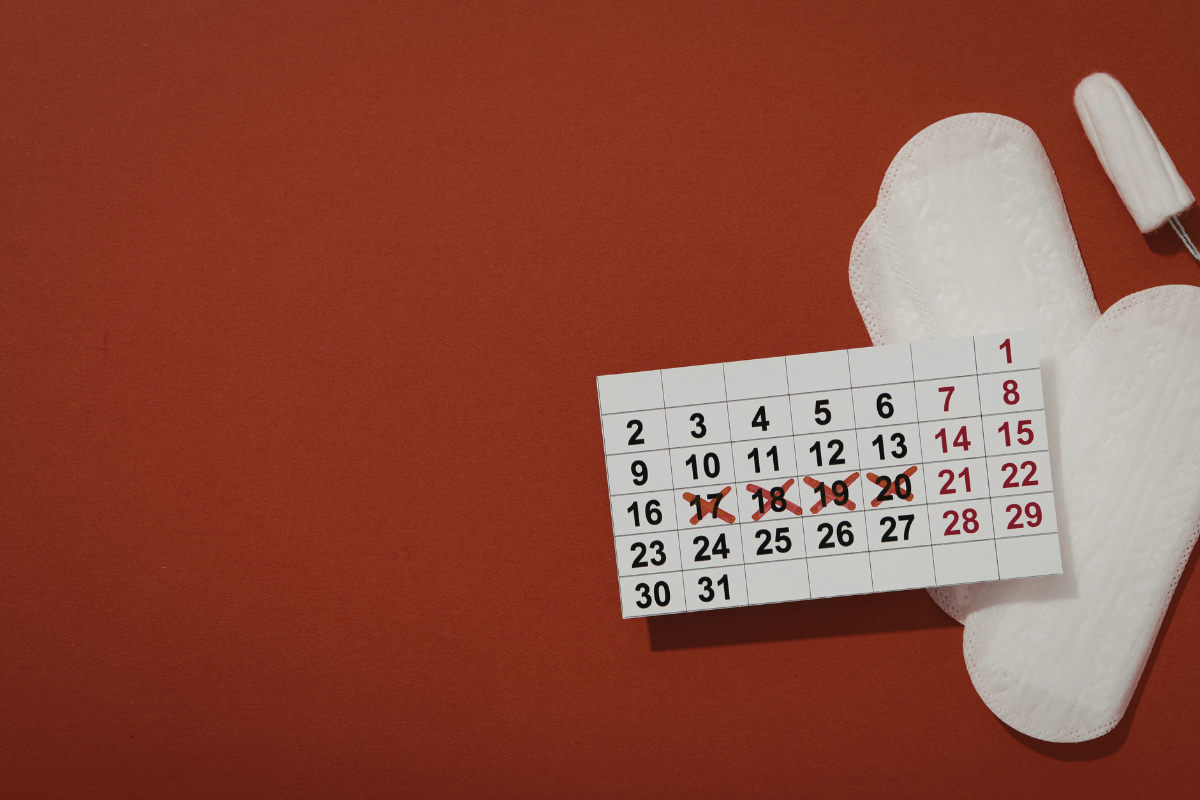
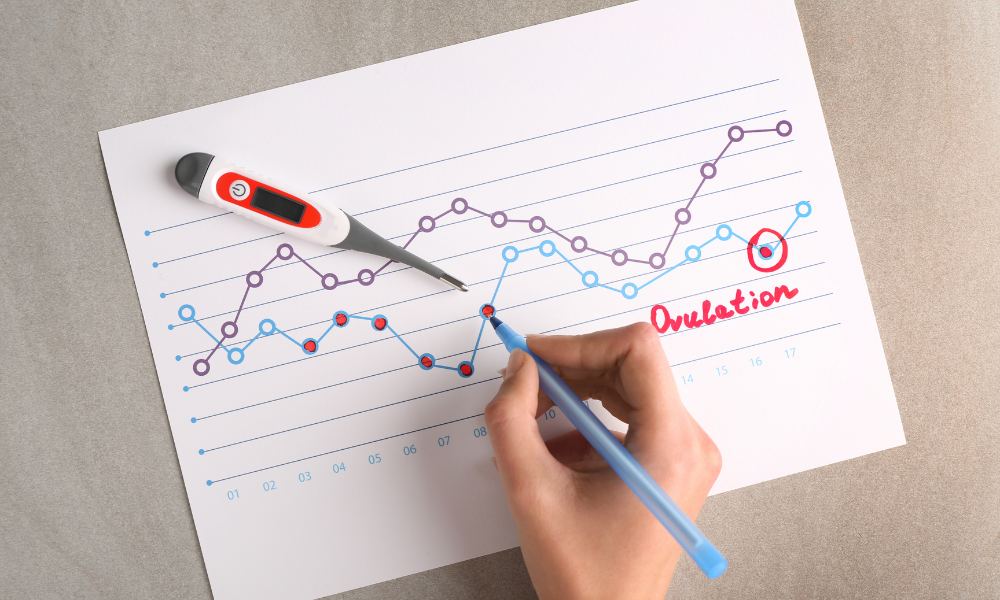
PCOS is not only about irregular periods. Acne, unwanted hair, difficulty losing weight, mood changes, and constant fatigue can all be part of the same condition. Many women live with these symptoms for years before anyone connects the dots.
PCOS stands for Polycystic Ovary Syndrome. You may also see it written as PCOD (Polycystic Ovarian Disease). Both terms refer to the same condition, and in India, people use them interchangeably.
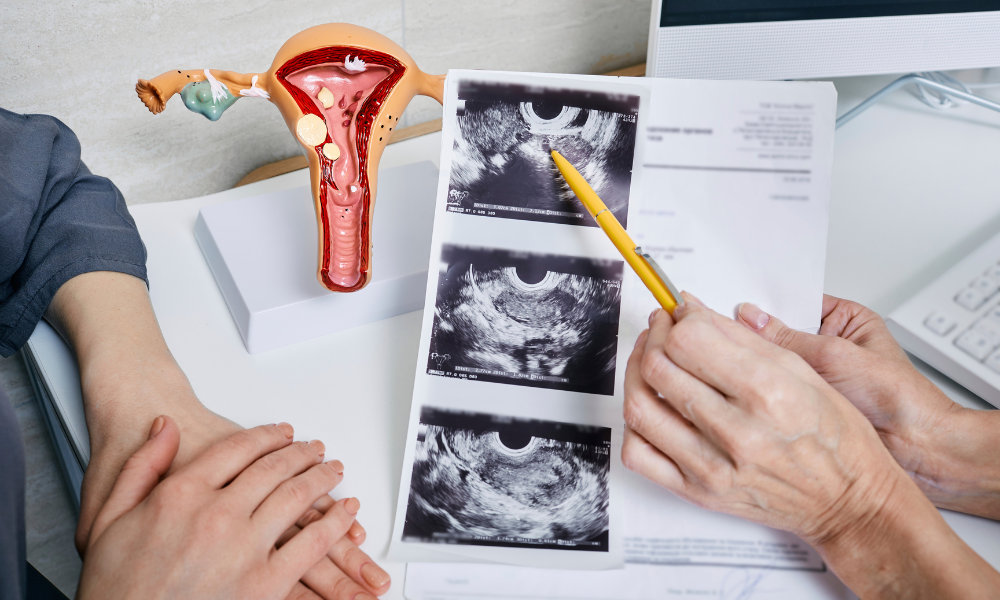
At its core, PCOS is a hormonal imbalance. The ovaries produce slightly higher-than-normal levels of androgens (often called "male hormones"), which interferes with regular ovulation. The name comes from the small fluid-filled follicles that can build up in the ovaries when eggs are not released normally. But here is something important: not everyone with PCOS has these cysts, and not everyone with ovarian cysts has PCOS.
PCOS is one of the most common hormonal conditions in women of reproductive age, affecting roughly 1 in 10 women. It is not rare. It is not exotic. And it is very manageable.
Most women know that irregular periods can be a sign of PCOS. But the condition shows up in a lot of other ways that are easy to dismiss or attribute to something else entirely:
The important thing to know: You do not need to have every single one of these symptoms to have PCOS. You only need two of the three criteria: irregular or infrequent periods, signs of elevated androgens (either on a blood test or as symptoms), or polycystic-appearing ovaries on ultrasound. One criterion alone is not enough for a diagnosis.
There are a few reasons. Symptoms like fatigue, mood changes, and skin issues are easy to attribute to stress or lifestyle. Acne is normalised in adolescence. Weight gain is blamed on diet alone. Hair thinning is dismissed as genetics.
There is also a tendency to reassure young women that "slightly irregular periods are normal." And sometimes they are. But when multiple symptoms are present together, it is worth investigating rather than waiting.
If you have been managing acne, hair growth, irregular periods, and weight struggles separately for years, it may be worth asking whether they are connected.
Treatment depends entirely on what matters most to you right now. There is no single PCOS protocol. The approach is tailored to your specific symptoms and goals.
There is a lot of noise online about PCOS cures, detoxes, and special diets. Most of it is not supported by good evidence. The most effective long-term approach is a combination of lifestyle adjustments and, where needed, targeted medication, guided by a doctor who understands your individual picture.
This article is for general information only and is not a substitute for medical advice. If you think you may have PCOS, please speak with a qualified gynecologist.
A PCOS evaluation is straightforward and takes one consultation and a few blood tests to get started.